ChaitanyaAI Start a project

Data engineering and machine learning · Flatiron, New York

Clear forecasts from cloudy data.

We build the pipelines, models and platforms that let American enterprises decide on numbers they trust. Fifty-two engineers, one studio in Flatiron, systems running in nine countries.

Storm clouds rolling over Manhattan, overlaid with a live demand forecast chart.
212models in production today
38 TBmoved through client pipelines every night
99.95%pipeline SLA met over the last 12 months
4 minmedian page to acknowledgement, on call
Velora GrocersNorthline FreightTandem FinanceBramwell TextilesSummit EnergyKeystone Health LabsHarbor Home RetailAmber Fields Co-opMeridian LogisticsOstara Insurance

02 transform

Four stages. One accountable team.

Most data programmes fail between teams: the platform people hand over to the analysts, who hand over to the scientists, who hand a notebook to nobody. We staff the whole run, from source system to the decision it changes.

  1. 01ok

    Data platforms

    Lakehouses, ingestion and streaming that survive real source systems: ERPs with no primary keys, POS feeds that arrive twice, PDFs from a partner who will never send an API.

    • Spark
    • Kafka
    • Databricks
    • Snowflake
    • Airflow
  2. 02ok

    Analytics engineering

    Tested, documented models of your business: one definition of revenue, one of an active customer, with lineage your finance team can audit line by line.

    • dbt
    • BigQuery
    • Great Expectations
    • Looker
  3. 03ok

    Machine learning

    Forecasting, risk, pricing, vision and retrieval over your own documents. Models chosen for the decision they change, measured against the baseline they replace.

    • PyTorch
    • LightGBM
    • Prophet
    • pgvector
  4. 04ok

    MLOps and reliability

    Feature stores, model registries, drift alerts and a named engineer on call. We take over models other people shipped and make them boring.

    • MLflow
    • Feast
    • Kubernetes
    • Grafana

03 train

Watch a model learn.

A small neural network is training in your browser right now. Pick a dataset, add noise, or tap the plot to drop your own points. This is the ten percent of the job everyone demos.

epoch 0 loss 0.000 accuracy 0%
dataset
tap adds class

2 → 16 → 16 → 1 · tanh · Adam

The other ninety percent

  • Where the points come from. Twelve source systems, three time zones, one SAP instance nobody wants to touch.
  • Whether they are still true. Schema tests, freshness checks and row-count contracts on every table that feeds a model.
  • What happens when they drift. Population stability alerts, shadow models and a rollback that takes one command.
  • Who gets paged at 3 a.m. One of us, with a runbook we wrote and rehearsed with your team.

04 evaluate

Measured against the baseline, not the slide.

Every engagement starts with the number we are trying to move and the honest baseline it moves from. Four recent ones, shared with permission.

Shelves of fresh fruit and vegetables in a grocery store

Retail · 140 stores, New York and New Jersey

Velora Grocers forecasts 2.1 million store and SKU pairs every night, nor'easters included.

Their old forecast averaged the last four weeks, so every first snowstorm emptied shelves of bread and milk while the ice cream sat untouched. We rebuilt it with weather, holiday and local event features, then fed it straight into replenishment.

stockouts
−31%
fresh waste
−18%
forecast error
−27%
How we built it

Hierarchical LightGBM with reconciliation across store, cluster and region; NOAA weather forecasts as features; a Databricks lakehouse replacing six nightly Excel exports. Live in 14 weeks, run by us since.
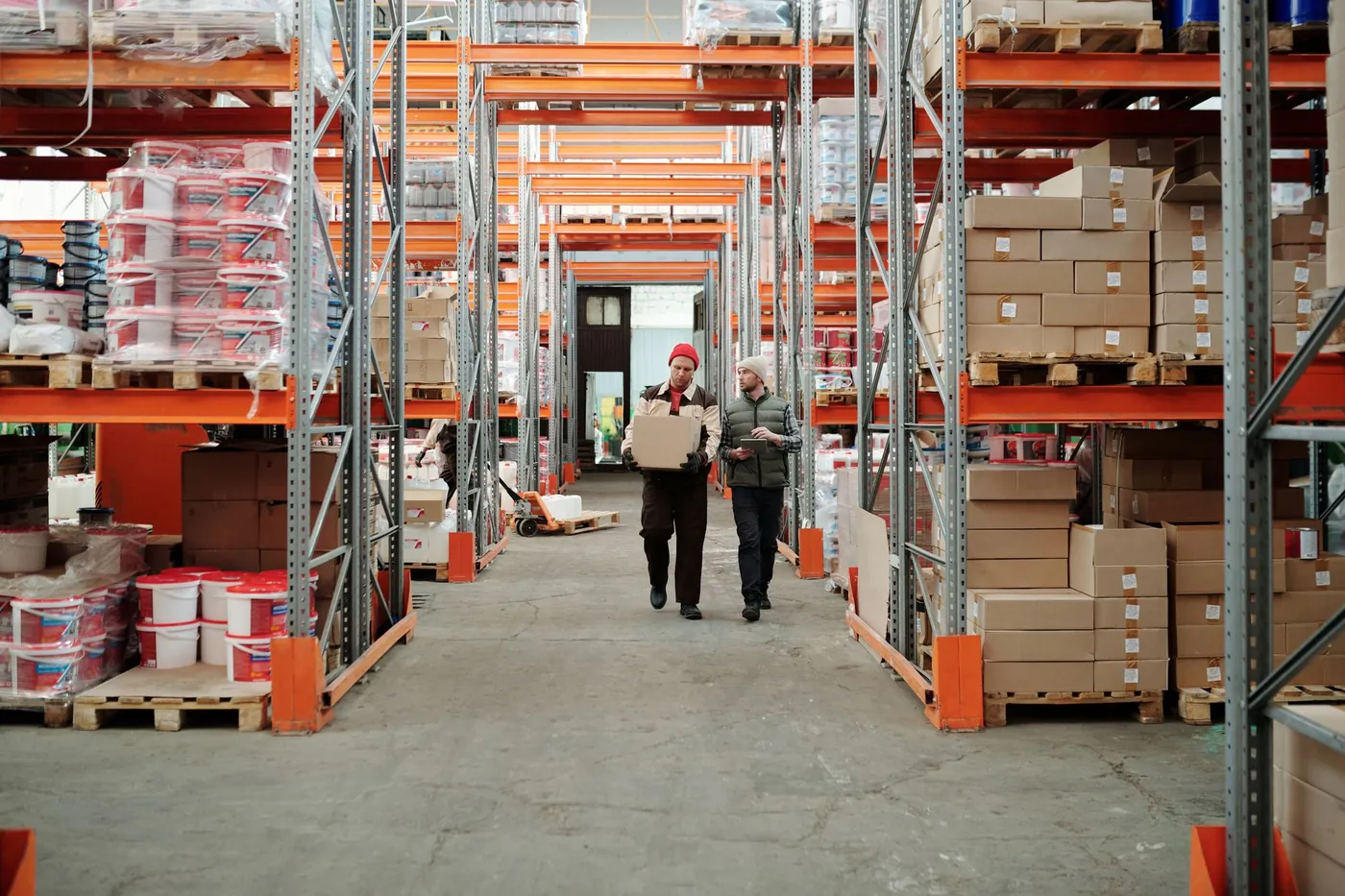

Two warehouse associates walking down a long aisle of pallet racks

Logistics · 31 warehouses, nationwide

Northline Freight went from day-old reports to a nine-minute view of every consignment.

Dispatch planners were working from a report that landed at 11 a.m. about yesterday. We moved them to change data capture and streaming, then trained an ETA model their customer team now quotes from.

data latency
4.1 h → 9 min
cloud bill
−$1.4M/yr
ETA within 2 h
91%
How we built it

Debezium and Kafka off the WMS, Delta tables with expectation checks, and a gradient boosted ETA model retrained weekly with route and lane features. We retired 140 legacy jobs on the way.

Analyst pointing at a price chart on a monitor

Lending · Consumer lender, 1.6 million borrowers

Tandem Finance approves more thin-file borrowers at the same default rate.

First-time borrowers were being declined because the bureau score had nothing to say about them. We built an explainable risk model on repayment and cash-flow signals, with reason codes credit officers can read aloud.

approvals
+22%
default rate
flat
decision time
0.6 s
How we built it

Monotonic gradient boosting with SHAP reason codes, a challenger framework and a model risk file prepared with their compliance team. Every feature is versioned and reproducible from the raw ledger.

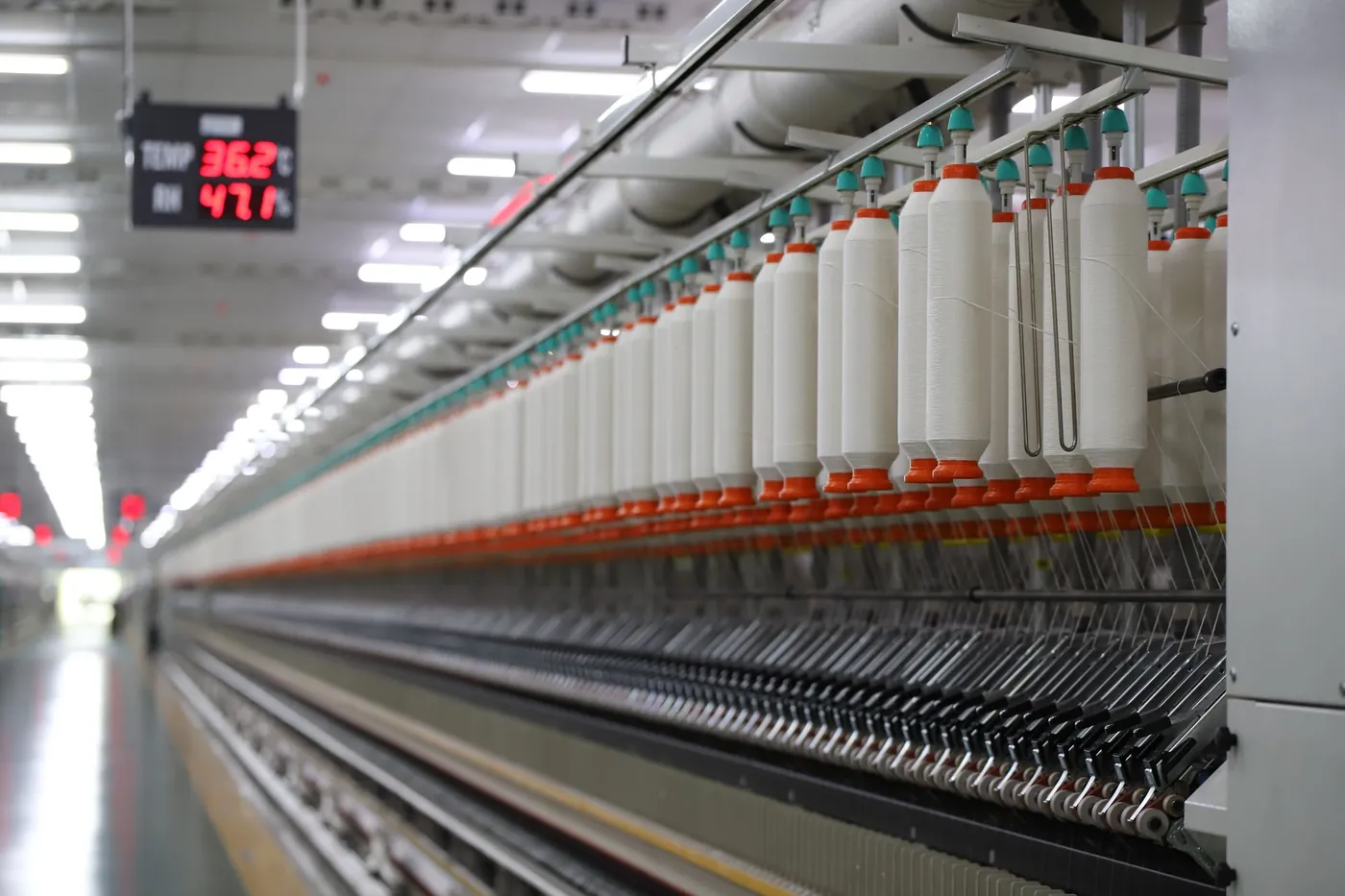
Rows of spinning frames running in a textile mill

Manufacturing · 3 mills, North and South Carolina

Bramwell Textiles catches weaving defects on the loom, not at the buyer.

Defects were found by hand at final inspection, after the cloth had been dyed. Line cameras and an edge vision model now flag faults while the fabric is still on the loom, with the operator confirming every call.

defect escapes
−64%
rework cost
−41%
payback
7 months
How we built it

Forty thousand labelled frames, a compact segmentation model on Jetson devices, and an operator feedback loop that sends every disagreement back to the labelling queue.

05 orchestrate

Sixteen weeks to a model in production.

A typical first engagement, as a Gantt chart, because that is how we will report it to you every Friday.

Audit source systems, data quality, the real baseline
weeks 1 to 3
Foundations ingestion, tests, the tables the model needs
weeks 3 to 8
First model baseline, then better than baseline
weeks 6 to 11
Shadow run live data, no live decisions yet
weeks 10 to 13
Go live monitoring, runbooks, on call
weeks 13 to 16
Run we operate it, or train your team to
week 15 onward
  • rule 01We show a baseline before we show a model.
  • rule 02Nothing ships without a test that would have caught last quarter's incident.
  • rule 03Your engineers commit to the repo from week one. No black boxes.

06 deploy

Built in Flatiron. Running everywhere.

Our studio sits on a quiet floor above Fifth Avenue, a short walk from Madison Square Park. Engineers here run systems for clients in New York, Chicago, Toronto, London and Dubai.

Engineer presenting a sprint board with in progress and done columns
Friday demo, sprint board
Engineer writing code at a dual monitor desk
Platform team
Colleagues reviewing printed results in a bright office
Model review
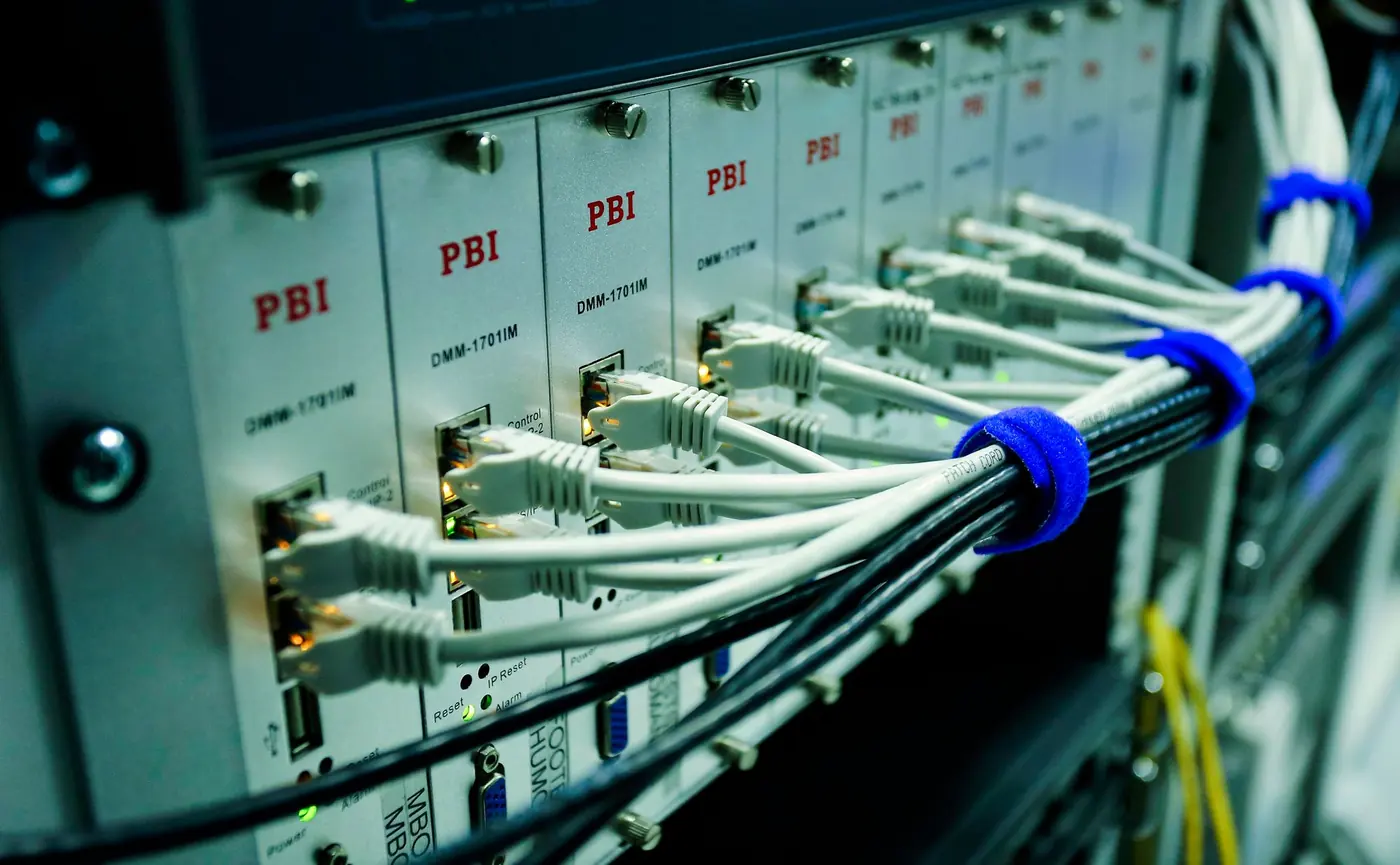
Ethernet cables plugged into a network switch
Client edge rack
Storm clouds over the towers of Lower Manhattan
Lower Manhattan, from the roof

on call now

Every system we run has a named engineer on call, every night of the year.

07 own

The people who answer the page.

Fifty-two engineers, statisticians and analysts. These four lead the practice and stay on every account they sell.

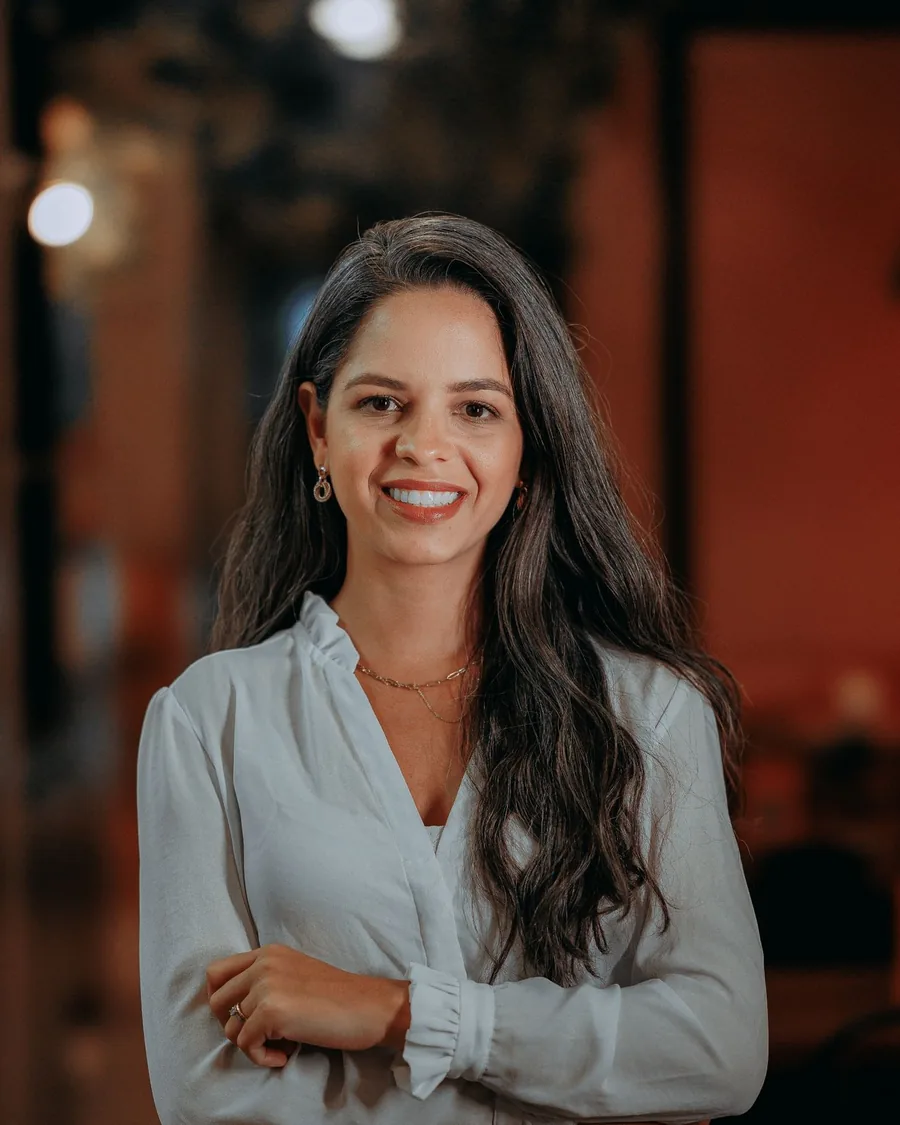
  • Portrait of Sarah Mitchell

    Sarah Mitchell

    Co-founder, managing partner

    Fifteen years building risk and pricing systems for lenders and insurers. Runs commercial and every steering committee.

    sarah@chaitanyaai.live

  • Portrait of Tony Marino

    Tony Marino

    COO, head of data platforms

    Has migrated more legacy warehouses than he admits to. Owns architecture and the on call rota.

    tony@chaitanyaai.live

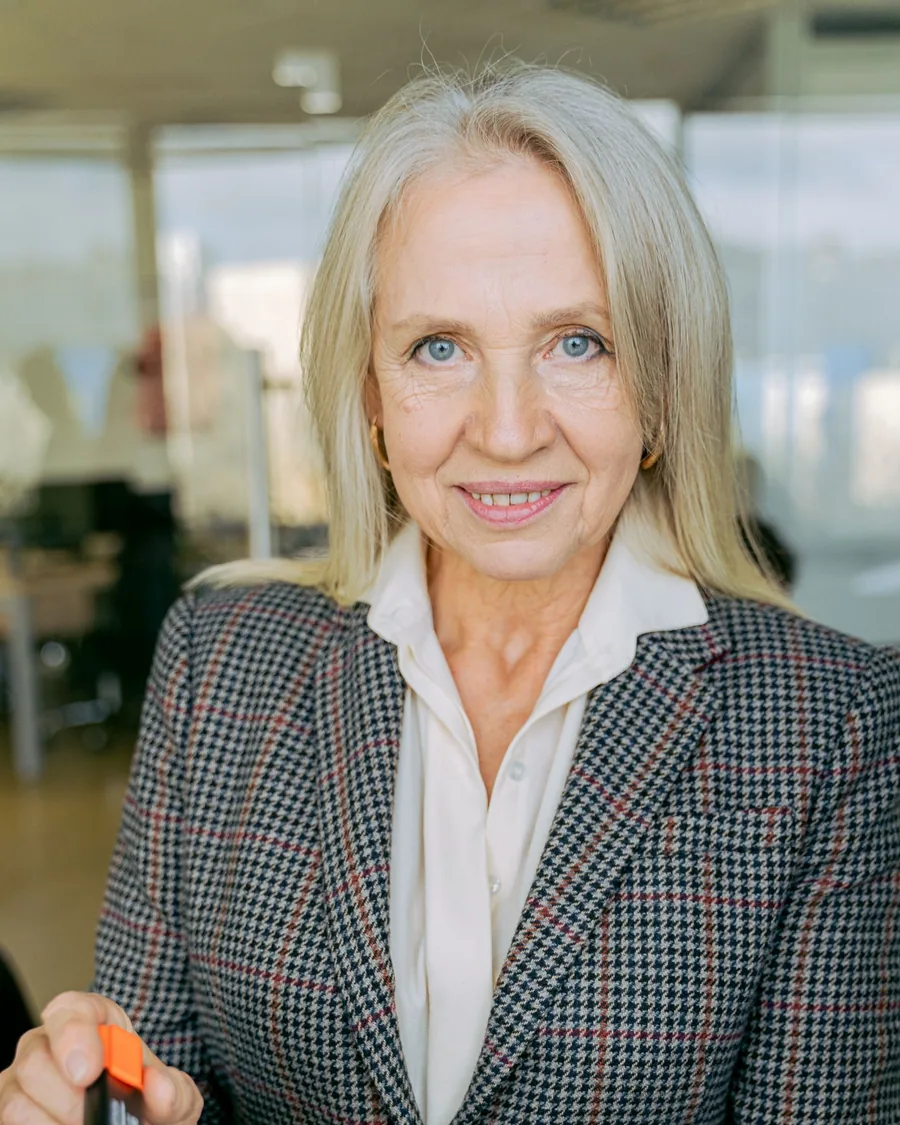
  • Portrait of Dr. Karen Holloway

    Dr. Karen Holloway

    Principal, applied statistics

    Former professor of statistics. Signs off every forecast methodology and every model risk file.

    karen@chaitanyaai.live

  • Portrait of Ryan Cooper

    Ryan Cooper

    Lead, machine learning engineering

    Builds the feature stores and serving layers. Believes a model without monitoring is a rumor.

    ryan@chaitanyaai.live

08 monitor

We had three forecasting vendors before Chaitanya. They were the first to ask how our store managers actually reorder, and the first whose numbers the managers stopped overriding.
Jennifer Head of supply chain, Velora Grocers
Our auditors asked for the lineage of one approval decision. Tony's team produced it in eleven minutes, from raw ledger to reason code.
Scott Chief risk officer, Tandem Finance
They inherited a model we were afraid to retrain. Six weeks later it retrains itself every Sunday and nobody notices, which is exactly the point.
Melissa VP engineering, Northline Freight

09 scale

Three ways to work with us.

Fixed where we can, transparent where we cannot. Prices exclude applicable sales tax.

Data audit

$85,000 fixed, 3 weeks

A senior pair inside your systems. You get a written map of your data, the honest baseline for the decision you care about, and a costed plan. Yours to keep, whoever builds it.

  • Source and quality assessment
  • Baseline model or metric
  • Architecture and 16 week plan

Build pod

from $160,000 per month

A cross-functional pod of four to six: platform, analytics and ML engineers with a delivery lead. Weekly demos, Friday Gantt, shared repo from day one.

  • Typical run of 12 to 20 weeks
  • Your engineers embedded
  • Production handover with runbooks

Run

from $45,000 per month

We operate what we built, or what someone else built. Monitoring, retraining, cost control and a named engineer on call around the clock.

  • SLA backed pipelines
  • Monthly model health review
  • Quarterly cost review

· questions

Asked in every first call.

Do you need access to our production data?

For the audit we work inside your cloud or on premises environment, under your access controls. Data does not leave your accounts and we sign your NDA and data processing terms before day one.

Which clouds and tools do you work with?

AWS, Azure and Google Cloud, plus on premises Hadoop estates that are still very much alive. We have no reseller deals, so we recommend whatever your team can run after we leave.

Can you work with our existing data science team?

That is our favourite setup. Your scientists keep the modelling they enjoy; we build the platform, testing and serving around them so their work reaches production.

How do you handle generative AI requests?

Carefully. We build retrieval over your own documents where it beats search, with evaluation sets and cost limits. Often the better answer is a well-modelled table, and we will say so.

How quickly can you start?

Audits usually start within two weeks of a signed scope. Build pods take three to four weeks to staff with the right people.

10 serve

Tell us the number you want to move.

A partner reads every brief and replies within one working day, usually with three questions and a time to talk.

studio
Flatiron, New York, NY
hours
Monday to Friday, 9:00 to 18:00 ET
checking
Rough data volume
Pick one, a guess is fine.

We reply within one working day.